
Understanding Tendinopathy: What It Is, How It’s Treated, and How to Prevent It
Tendinopathy is one of the most common causes of persistent pain in active individuals. It frequently affects people who run, lift weights, or participate in sport, but it can also occur in everyday activities when tendon capacity is exceeded.
At Undisputed Performance Rehab, we approach tendinopathy as a load-related condition, not an inflammatory injury and not a sign of permanent damage. With the right assessment and rehabilitation strategy, tendons can adapt, recover, and become more resilient.
What Is Tendinopathy?
Tendons connect muscle to bone and are designed to tolerate and transmit force. Tendinopathy develops when a tendon is exposed to more load than it can currently tolerate, either through sudden increases in activity, repetitive stress, or inadequate recovery.

Contrary to outdated beliefs, most tendon pain, particularly when symptoms have been present for more than a few weeks, is not driven by inflammation. Instead, the tendon’s structure and ability to manage load change over time, leading to pain, stiffness, and reduced function.
Importantly, this process is reversible when managed correctly.
Common Areas Affected
Tendinopathy most commonly affects tendons exposed to high or repetitive loads, including:
Lower body
- Achilles tendon
- Patellar tendon
- Gluteal tendons (outer hip)
Upper body
- Lateral elbow tendons (“tennis elbow”)
- Rotator cuff tendons (shoulder)
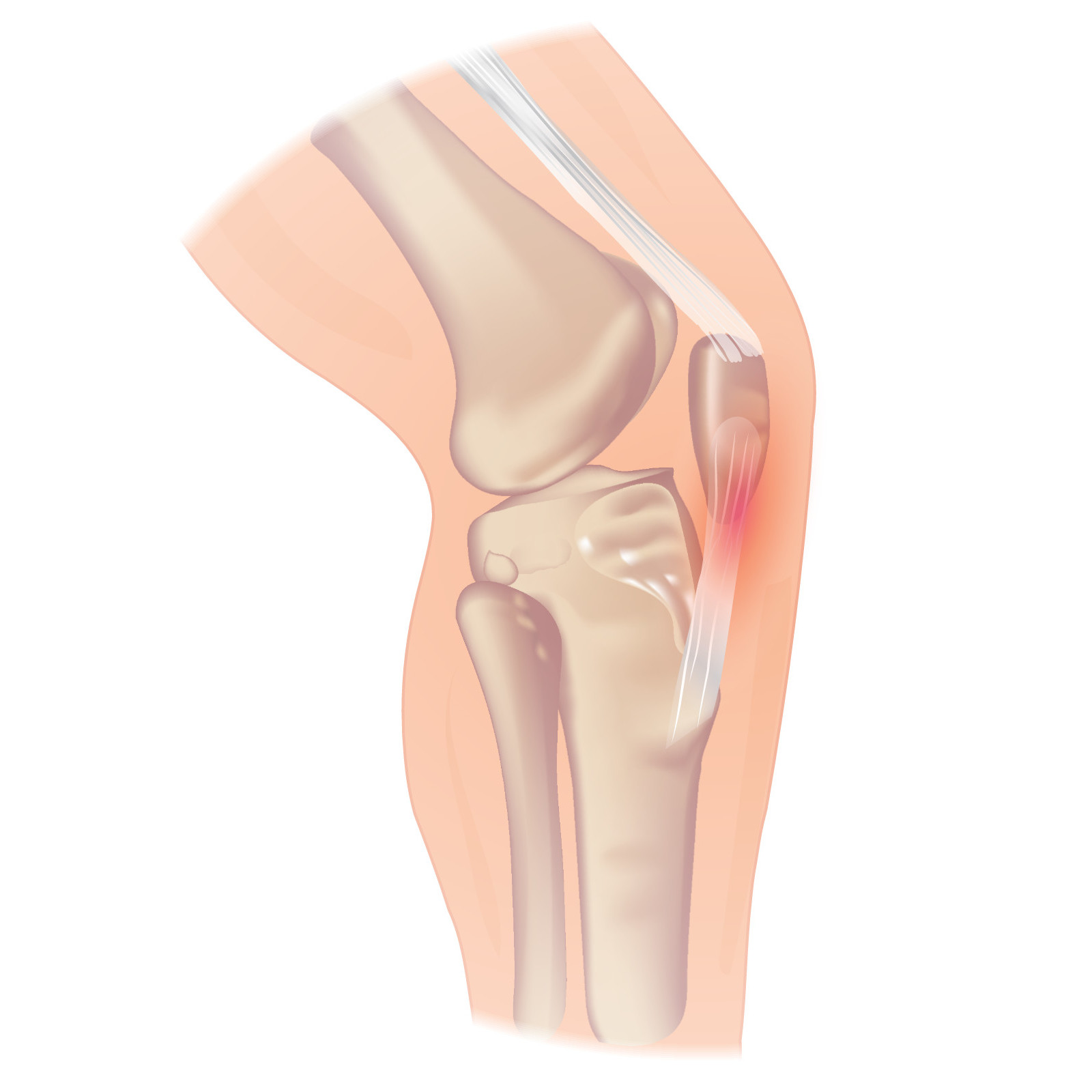
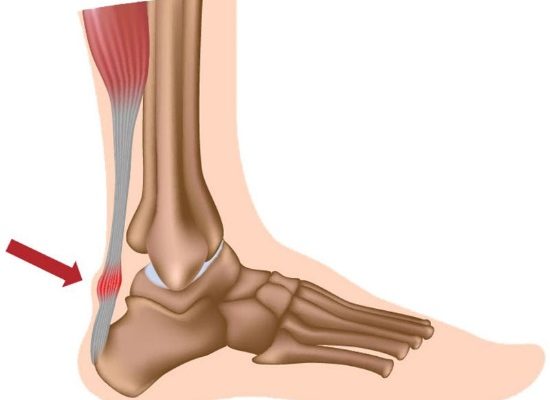
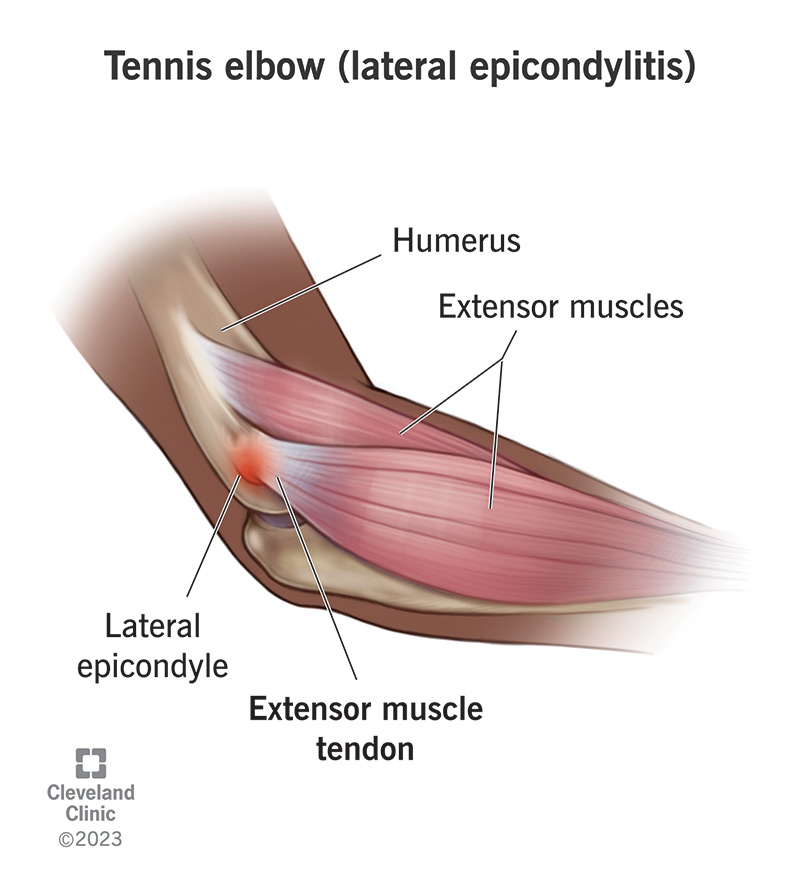
These areas are particularly sensitive to rapid changes in training volume, intensity, or technique.
How We Diagnose Tendinopathy
Tendinopathy is diagnosed through a comprehensive clinical assessment, not by scans alone.
History
- Common features include:
- Gradual onset of pain rather than a single injury
- Pain linked to specific activities or loads
- Stiffness after rest or in the morning
- Symptoms that may ease during activity but worsen afterward
Physical Examination
Assessment typically involves:
- Localised tenderness at the tendon
- Pain with resisted muscle contraction
- Reduced tolerance to load-based tasks relevant to your goals
Imaging
Ultrasound or MRI may be used when appropriate. However, tendon changes are frequently seen in people without pain, and imaging findings do not reliably predict symptoms or recovery. For this reason, imaging is used to support, not determine, diagnosis and management.
How Tendinopathy Is Treated
Effective treatment focuses on progressively restoring tendon capacity, rather than resting the tendon completely.
Load Management
Early rehabilitation may involve modifying activities that excessively stress the tendon, while maintaining enough stimulus to prevent deconditioning. Complete rest is rarely beneficial.
Pain-Guided Loading
Isometric exercises may be introduced early to help reduce pain and restore confidence with movement.
Progressive Strength Training
As symptoms improve, rehabilitation progresses to:
- Slow, controlled resistance exercises
- Gradual increases in load and volume
- Exercises tailored to your sport, training, or daily demands
Return to Impact and Performance
For active individuals, later stages of rehab include:
- Running, jumping, or change-of-direction drills
- Sport-specific or gym-specific loading
- Controlled exposure to higher-intensity demands
This phase is critical for reducing the risk of recurrence and supporting long-term performance.

Preventing Tendinopathy
Tendon health depends on balancing load and recovery.
Manage Training Progression
Sudden increases in:
- Running volume or speed
- Plyometric exposure
- Resistance training loads
are common triggers for tendon pain.
Build Strength
Regular strength training improves the tendon’s ability to tolerate load and is one of the most effective protective strategies.
Prioritise Recovery
Sleep, nutrition, and overall stress levels influence how well tendons adapt to training.
Address Symptoms Early
Early tendon pain is far easier to manage than persistent symptoms. Prompt assessment allows for minor adjustments rather than prolonged rehabilitation.
Key Message
Tendinopathy is not a sign of weakness or irreversible damage. It is a capacity issue that responds well to appropriate loading and structured rehabilitation.
With the right guidance, tendons can recover, adapt, and return to high levels of performance.
Struggling with ongoing tendon pain? Book a physiotherapy assessment with us and start rebuilding tendon capacity with confidence.